THE CAUSE
Air that moves unevenly
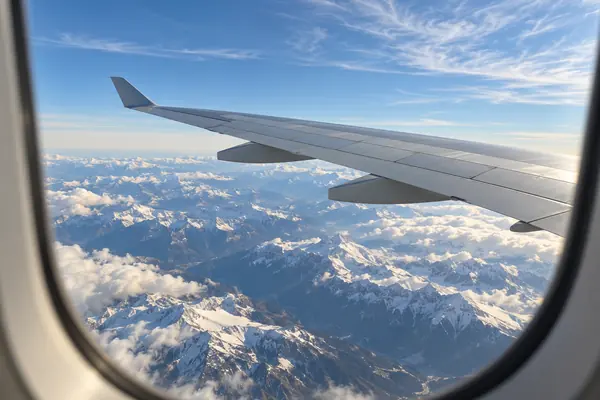
The FAA describes turbulence as air movement that normally cannot be seen. It can be created by jet streams, air around mountains, weather fronts and thunderstorms.
Why the sky can misleadWHAT THE FAA TELLS PASSENGERS
Turbulence is irregular air movement that normally cannot be seen.
The US Federal Aviation Administration identifies several causes, including jet streams, air moving around mountains, weather fronts and thunderstorms. It can also occur in apparently clear skies. This guide explains the basics and the passenger habits the FAA recommends. It does not assess the weather, aircraft or route for your flight.
Questions this page answers

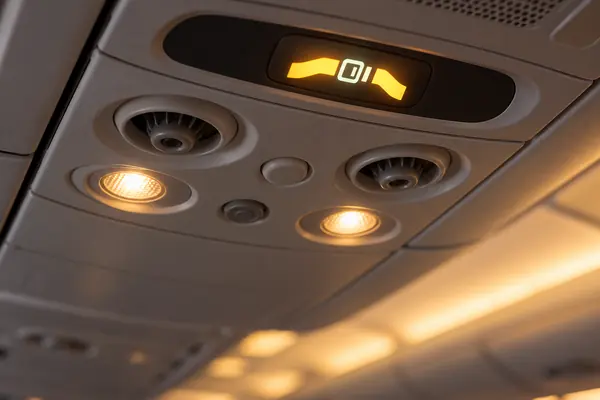
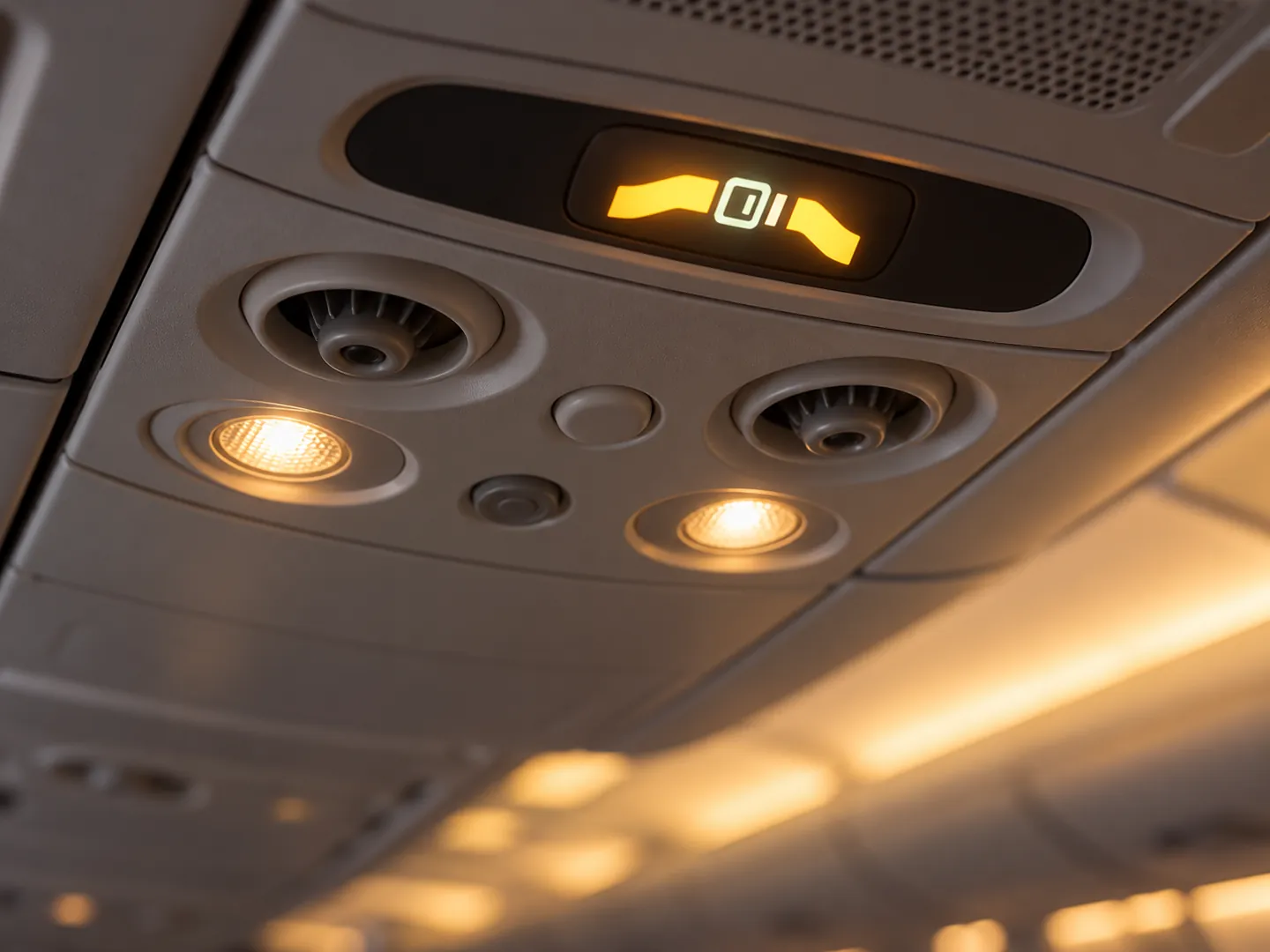
BELT ON while seated
THE SHORT ANSWER
Its causes, the clear-sky trap
and the one habit the FAA asks for.
THE CAUSE
The FAA describes turbulence as air movement that normally cannot be seen. It can be created by jet streams, air around mountains, weather fronts and thunderstorms.
Why the sky can misleadTHE SKY
Turbulence can occur when the sky appears to be clear. The FAA’s advisory circular for pilots says clear air turbulence is often met unexpectedly and frequently without visual clues.
See the FAA’s figuresTHE HABIT
The FAA advises keeping your seat belt buckled at all times while seated, worn low and tight on the hips, and listening to the pilots and flight attendants.
Check when it is requiredA QUICK SEAT-BELT CHECK
Pick a moment in a flight to see how the FAA puts it. The bar is full where FAA regulations require the belt, half full where the FAA advises it, and short where the FAA points you to your airline’s own policy.
Based on the FAA pages “Turbulence: Staying Safe” and “Passenger Safety Tips”. The FAA is the US aviation authority. On any flight, the seat-belt sign and the crew’s instructions for that flight come first.
THREE FIGURES FROM THE FAA
From FAA passenger guidance
and a circular written for pilots.
3
Moments when FAA regulations require the belt
Leaving the gate and climbing after take-off, landing and taxi, and whenever the seat-belt sign is lit. Outside those moments, the FAA still advises keeping the belt fastened while seated.
SEAT-BELT RULES · FAA
100–300 miles
Common length of a jet-stream turbulent area
The FAA’s advisory circular for pilots says such areas are commonly 100 to 300 miles long, elongated with the wind, 50 to 100 miles wide and about 5,000 feet deep, and may persist from 30 minutes to a day.
CLEAR AIR TURBULENCE · FAA AC 00-30C
40 lb
Weight below which the FAA advises a child seat
The FAA recommends an approved child safety seat or device for a child who weighs less than 40 pounds (about 18 kg). For children under two, it calls such a seat the safest place.
CHILDREN · FAA SAFETY TIPS
These figures come from guidance and from the FAA’s description of where turbulence is found. They are not a forecast, a risk score or an assessment of any flight.
FIVE HABITS FROM THE FAA
None of these needs special knowledge. They are the FAA’s own recommendations, and the crew’s instructions on the day come first.
Pay attention to the flight attendants’ safety briefing at the beginning of the flight, and read the safety briefing card.
Keep the belt fastened at all times while seated, not only when the sign is on. Turbulence can arrive unexpectedly.
The FAA says the belt is meant to sit low and tight on the hips, not the abdomen, to effectively limit the body’s forward motion.
Treat the crew’s instructions and the illuminated seat-belt sign as instructions for your actual flight. If you are unsure how to fit your belt, ask the cabin crew.
Keep to your airline’s carry-on restrictions, and buckle up children in an approved child seat or device.
WHY THE SKY CAN MISLEAD
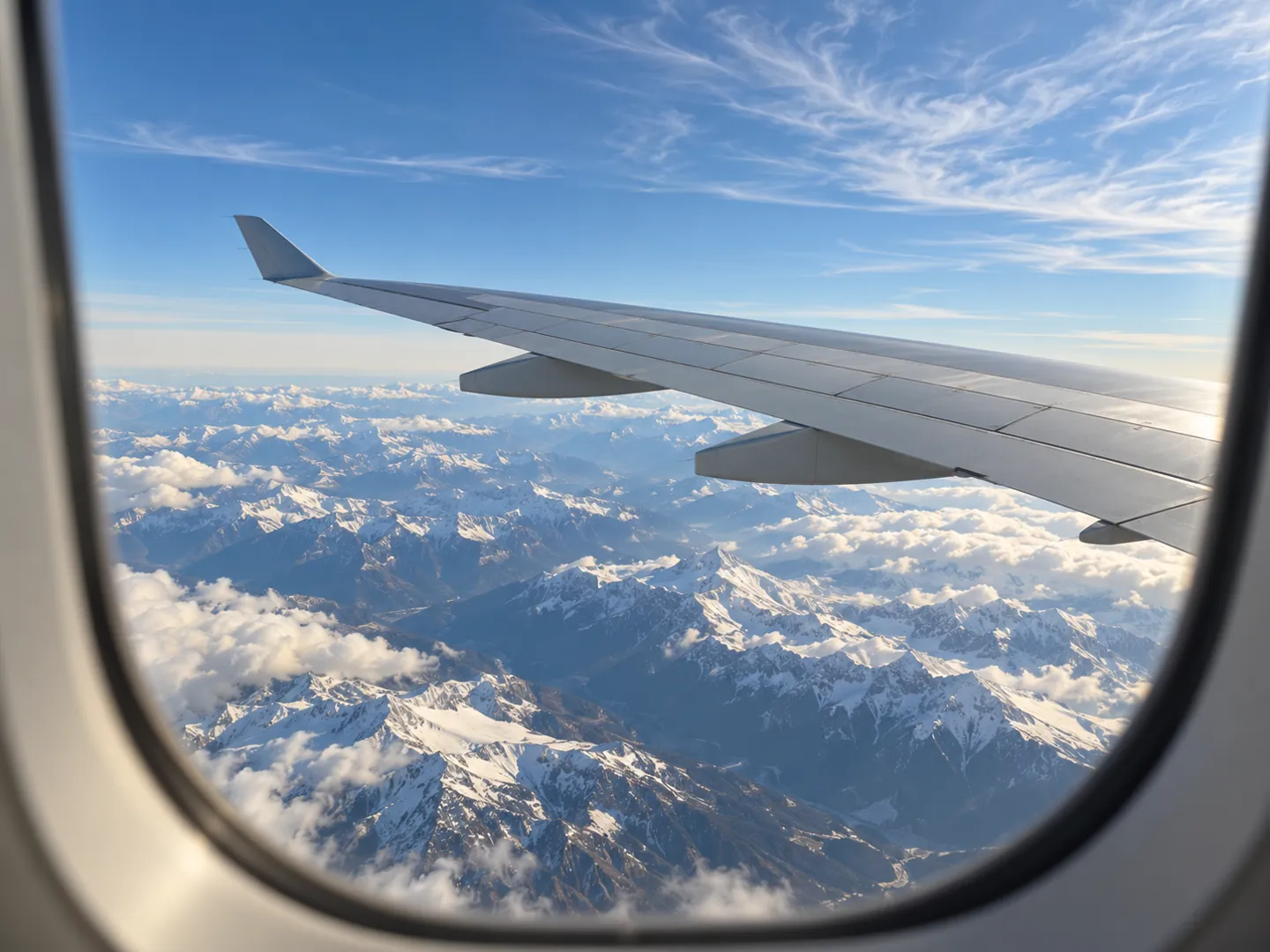
The FAA’s advisory circular for pilots defines clear air turbulence as sudden severe turbulence in cloudless regions. One of the principal places it is found is near the jet streams, relatively narrow bands of strong wind in the upper atmosphere. It is often encountered unexpectedly and frequently without visual clues.
The same circular says that wind shear and turbulence are more intense above and downwind of mountain ranges where waves form in the airflow. Pilots and airline dispatchers work with pilot reports and turbulence forecasts made for them. The useful distinction for a passenger is between understanding the phenomenon and predicting a particular journey: this guide explains the first.
QUESTIONS
Short answers, each drawn from the FAA sources listed below.
The FAA describes it as air movement that normally cannot be seen and often occurs unexpectedly. It can be created by atmospheric pressure, jet streams, air around mountains, cold or warm weather fronts or thunderstorms.
Yes. The FAA says turbulence can occur when the sky appears to be clear, and its advisory circular for pilots notes that clear air turbulence often comes without visual clues. A view without clouds does not tell you that the rest of the flight will be smooth.
FAA regulations require it when the aircraft leaves the gate and climbs after take-off, during landing and taxi, and whenever the seat-belt sign is illuminated. The FAA also advises keeping it fastened at all times while seated.
Low and tight on the hips, not the abdomen, according to the FAA. That position helps limit the body’s forward motion. If you are unsure how to fit it, ask the cabin crew.
The FAA says the safest place for a child under two is a government-approved child seat or device, and recommends one for a child who weighs less than 40 pounds. Ask your airline where to find its own guidance for travelling with children.
No. This guide explains turbulence in general. It does not assess the weather, aircraft or route for any flight. On board, follow the seat-belt sign and the crew’s instructions.
Start with the FAA’s turbulence page for the explanation and the passenger precautions, then its weather overview and passenger safety tips. A useful reading note has three lines: the idea you learned, the official source, and any question to ask your airline before travel.
Sources
ABOUT THIS NAME
airplaneturbulence.com is part of the DoodleSale portfolio. It isn't in an auction right now, but you can ask about leasing it.